

The flu season arrives each year with new viral strains, shifting patterns of transmission, and renewed questions about protection. One of the most common concerns is how vaccination actually works inside the body.
Understanding how the flu vaccine interacts with your immune system can help you make informed decisions and feel more confident about prevention. Below is a clear and practical look at how your immune defenses respond before and after a flu vaccination.
How the Immune System Recognizes the Flu Virus
Your immune system is designed to identify and eliminate harmful invaders like viruses and bacteria. When the influenza virus enters the body, it carries specific proteins on its surface-most notably hemagglutinin (HA) and neuraminidase (NA). These proteins act like identification markers.
When the immune system detects these markers, specialized white blood cells begin producing antibodies. Antibodies are proteins that bind to the virus and prevent it from infecting healthy cells. At the same time, other immune cells work to destroy infected cells and limit the spread of the virus.
This response, however, takes time. For someone who has not encountered a particular flu strain before, it may take several days to mount a strong defense. During that window, symptoms such as fever, body aches, cough, and fatigue can develop.
What Happens After You Receive the Flu Vaccine
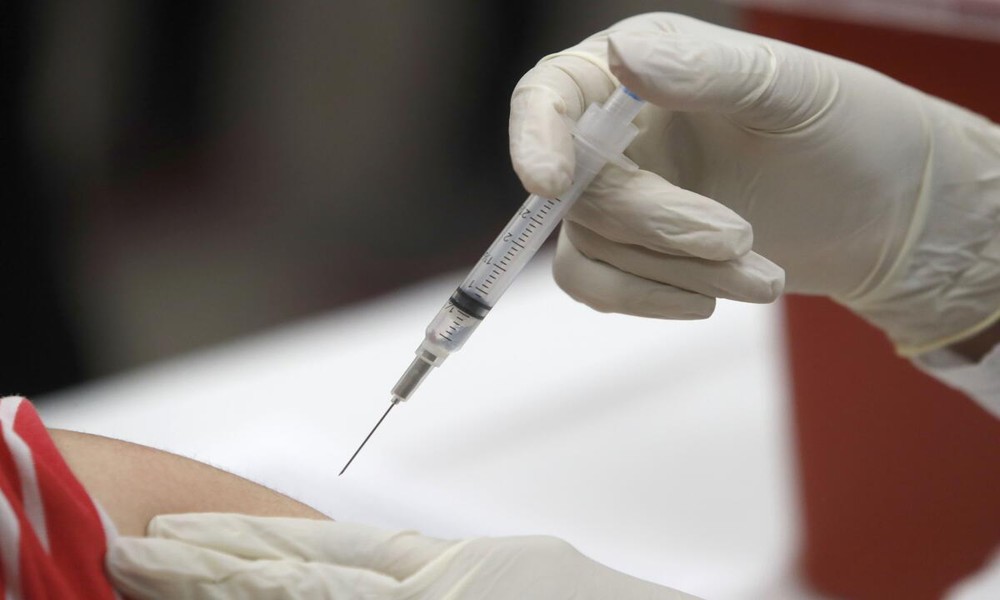
The influenza vaccine works by safely introducing parts of the virus-or an inactivated or weakened version-into your body. These components cannot cause the flu, but they are enough to stimulate an immune response. Once vaccinated, your immune system recognizes the viral proteins as foreign.
B cells begin producing antibodies specifically tailored to those flu strains included in the vaccine. T cells, another type of immune cell, also become activated to help coordinate the response. This process essentially “trains” your immune system.
If you later encounter the real influenza virus, your body can respond much more quickly and effectively, often preventing illness altogether or significantly reducing its severity. It typically takes about two weeks after vaccination for full protective immunity to develop.
Why Immune Memory Matters
One of the most powerful features of the immune system is memory. After vaccination, memory B cells and T cells remain in the body long after antibody levels decline. If the influenza virus enters the body later, these memory cells recognize it almost immediately.
They rapidly produce antibodies and trigger a faster, stronger immune response compared to a first-time infection. This is why vaccinated individuals often experience milder symptoms even if they do contract the flu. The immune system does not have to start from scratch-it already has a blueprint.
Why You Need a Flu Shot Every Year
Unlike some viruses that remain relatively stable, influenza viruses change frequently through processes called antigenic drift and, less commonly, antigenic shift. Small genetic changes alter the surface proteins of the virus, making it harder for existing antibodies to recognize new strains.
Each year, global health experts monitor circulating influenza strains and update vaccines to match the most likely variants for the upcoming season. Additionally, antibody levels naturally decrease over time. Annual vaccination helps refresh immune protection and ensures your body is prepared for the most current strains.
Common Immune Reactions After Vaccination
After receiving a flu shot, some people notice mild side effects. These reactions are typically signs that the immune system is responding as intended. Common reactions include:
- Mild soreness or redness at the injection site
- Low-grade fever
- Fatigue
- Muscle aches
These symptoms usually resolve within a day or two. They are not the flu itself but rather evidence that your immune system is actively building protection. Severe allergic reactions are rare. Most people can safely receive the vaccine, though individuals with specific medical conditions should consult a healthcare provider.
Effectiveness and Factors That Influence Response
The immune response to vaccination varies from person to person. Several factors influence effectiveness:
- Age: Older adults may have a weaker immune response due to natural immune aging. High-dose or adjuvanted vaccines are often recommended for this group to enhance protection.
- Underlying health conditions: Chronic illnesses or weakened immune systems can affect how robustly the body responds.
- Timing: Getting vaccinated before peak flu season ensures the immune system has enough time to build protective antibodies.
Even in years when the vaccine is not a perfect match, it still reduces the risk of severe illness, hospitalization, and complications such as pneumonia.
Flu Vaccination and Community Protection
Vaccination does not only protect the individual-it also benefits the community. When more people are immune, the virus has fewer opportunities to spread. This concept, often referred to as herd protection, helps safeguard vulnerable groups such as infants, older adults, and individuals with compromised immune systems. By reducing overall transmission, vaccination contributes to fewer outbreaks and less strain on healthcare systems during peak season.
Conclusion
Understanding how the immune system responds to influenza vaccination highlights why it remains one of the most effective preventive tools available. Rather than weakening your immune defenses, vaccination strengthens and prepares them.
By stimulating antibody production, building immune memory, and reducing the severity of illness, the vaccine equips your body with the tools it needs to fight back quickly. Each flu season may look slightly different, but a prepared immune system remains your strongest line of defense.