

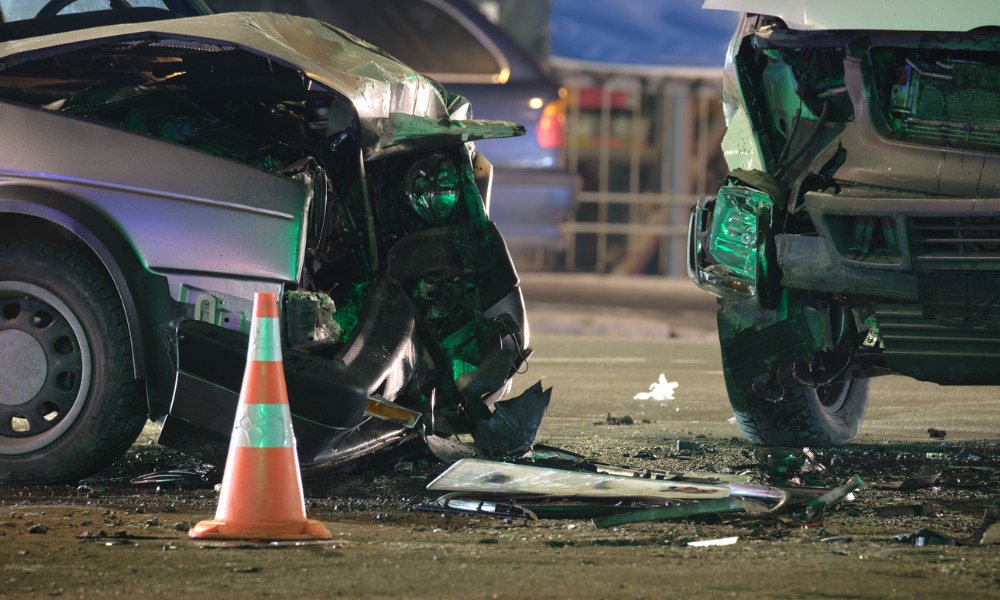
Safety tech has come a long way from simple alarms and basic protective gear. Today, many tools are designed to anticipate danger, not just react to it. That’s where Accident Protector fits in. Whether you’re thinking about vehicle safety, workplace wearables, or personal safety devices for everyday life, the core idea is the same: detect risk early, alert fast, and reduce harm when something goes wrong.
This guide breaks down what Accident Protector systems typically involve, how they work in real settings, what they can and cannot do, and how to choose an option that actually matches your lifestyle or work environment.
Understanding Accident Protector and Why It Matters
The Technology Behind Modern Accident Protection
Most Accident Protector solutions rely on a combination of sensing, data processing, and automated responses. Sensors are the starting point. Accelerometers and gyroscopes detect motion, tilt, and sudden changes in speed, which can indicate a fall, a crash, or unsafe movement. GPS modules add location awareness, which is critical when a device needs to call for help or provide coordinates.
Many systems also use connectivity. Some devices connect to phones, vehicles, or workplace hubs. Others use built-in cellular connections for emergency alerts. On the software side, machine learning is increasingly used to identify patterns in behavior and risk. Instead of reacting to a single trigger, the system can evaluate context. For example, it may distinguish between “normal activity” and “high-risk movement,” then decide whether to alert the user, log the event, or trigger a response.
In simple terms, Accident Protector works best when it combines three things: accurate sensing, smart interpretation, and reliable communication.
How Accident Protector Saves Lives in Real Life
The value of Accident Protector becomes clear when seconds matter. In vehicles, advanced driver-assistance features can warn about lane drift, detect potential collisions, and trigger automatic braking. These systems help reduce human error in moments where reaction time is limited.
In industrial settings, wearables can flag dangerous fatigue patterns, detect falls, or alert supervisors when a worker enters a restricted zone. The goal is not to police workers. The goal is to reduce preventable injuries by catching risk early and speeding up response when something happens.
For individuals, Accident Protector devices often focus on emergencies: falls, sudden impacts, medical distress, or getting lost. A fast alert, an emergency call, or accurate location data can reduce both the severity of harm and the time it takes to get help.
Clearing Up Myths About What Accident Protector Can Do
Accident protection technology is powerful, but it is not magic. The biggest misconception is that it guarantees safety. It does not. It reduces risk and improves response, but user behavior and environment still matter. A device cannot stop every crash, prevent every fall, or eliminate every hazard.
Another myth is that this technology is only for extreme conditions. The reality is that everyday life includes plenty of risk, especially when driving, working with equipment, exercising alone, or supporting older family members. Accident Protector systems can be helpful even in “normal” routines because many accidents happen during ordinary moments.
The best mindset is to treat Accident Protector as an added layer, not a replacement for safe habits.
Choosing the Right Accident Protector
Features That Matter Most
When evaluating an Accident Protector option, it helps to focus on the features that impact real-world reliability.
Real-time alerts matter because delayed warnings are less useful during emergencies. Automatic emergency calling can be a major advantage, especially for people who might not be able to reach a phone after an accident. GPS tracking is critical for outdoor activities, driving incidents, or situations where location accuracy affects response time.
Durability matters too. Devices should handle water exposure, dust, sweat, or impact depending on where they’re used. Battery life is often overlooked, but it can be the difference between “protected” and “dead device.” Ease of use also matters. A safety system is only effective if people actually keep it on, keep it charged, and understand what it’s telling them.
Compatibility can also influence value. Some systems work best when they integrate with a phone app, a fleet management platform, or workplace dashboards. Others are designed to be standalone. Knowing which style fits your situation helps you avoid buying features you will never use.
Brand and Ecosystem Considerations
Many buyers start with brand names, and that makes sense. Companies known for automotive safety, navigation, and industrial tech often have strong track records. That said, brand alone should not make the decision. Two products from respected companies can behave very differently in daily use.
Instead of focusing only on marketing, look for signs of a stable product ecosystem. Consistent software updates, clear customer support, and strong documentation usually indicate a product that will remain usable over time. If the system relies on an app or subscription service, that stability matters even more.
What Customer Reviews Can Actually Tell You
User reviews are useful when you read them the right way. One dramatic review does not represent typical performance, but patterns do. If many users mention unreliable alerts, poor battery life, confusing setup, or frequent false alarms, that is worth taking seriously. On the positive side, repeated praise for fast notifications, accurate detection, and simple operation usually reflects real usability.
When reading reviews, pay attention to context. A product that performs well for casual walking may not perform the same way in construction environments. A device that works great in urban settings may struggle in remote areas if it depends on cellular coverage.
Cost vs Value: Is Accident Protector Worth It?
Understanding the Full Cost
The price tag is rarely the whole cost. Some Accident Protector systems include ongoing subscription fees for monitoring, emergency response, cloud storage, or premium features. Others require periodic replacement of sensors or hardware.
It helps to compare total yearly cost, not just the purchase price. A cheaper device with frequent subscription charges may cost more over time than a higher upfront purchase with minimal ongoing fees.
How the Investment Can Pay Off
The biggest return is reducing harm. That can mean fewer serious injuries, faster response time, and less downtime in a workplace setting. For individuals, it can mean quicker help after a fall or incident, which can reduce recovery time and complications.
There may also be indirect savings. Some insurers recognize certain safety technologies and may offer discounts depending on the product category and policy type. Even when savings are not guaranteed, the practical value of faster response and better documentation can matter if a claim or dispute occurs.
Insurance Considerations
Accident Protector tools can sometimes influence insurance conversations, especially in areas like fleet safety, workplace risk management, or certain personal safety systems. Insurers tend to reward measurable risk reduction, but it varies widely. If your goal includes insurance savings, it’s smart to confirm with your provider what types of devices or systems they recognize and what proof they require.
The Future of Accident Protector Technology
What Emerging Tech Could Add Next
Accident prevention is moving toward more predictive and more connected systems. Augmented reality may support training in high-risk environments by simulating hazards. Drones and remote sensors may add safety monitoring for large job sites. Data security is also becoming a bigger focus, especially as devices collect more behavioral and location information.
The direction is clear: better sensing, better prediction, and safer response systems that feel less intrusive and more helpful.
The Growing Role of AI and IoT
AI improves Accident Protector by learning patterns and reducing false alarms while catching real risk earlier. IoT improves it by connecting devices, so safety becomes a network rather than a single tool. A wearable can alert a supervisor, a vehicle system can notify emergency services, or equipment sensors can trigger an automated shutdown in dangerous conditions.
Over time, the most effective Accident Protector setups will likely be the ones that combine personal devices, environmental sensors, and smart analytics into one coordinated safety layer.
Why Accident Protector Matters Beyond the Individual
Accident protection is not only about personal safety. It also supports safer workplaces, safer roads, and lower strain on emergency response systems. When more people use technology that reduces accidents or speeds up help, the benefits spread outward. Families worry less. Employers reduce risk. Communities experience fewer serious incidents.
In that sense, Accident Protector is part of a bigger shift toward prevention-first safety culture.
Conclusion: Choosing Accident Protector With Clarity
Accident protection technology can be genuinely valuable, but only when expectations are realistic and the choice matches the environment. Accident Protector systems work best as a smart layer of support. They reduce risk, improve response time, and add visibility when something goes wrong, but they are not a substitute for safe habits.
If you’re choosing an Accident Protector solution, focus on reliability, alert speed, battery life, and real-world fit. The best option is the one you will consistently use and trust when it matters most.