

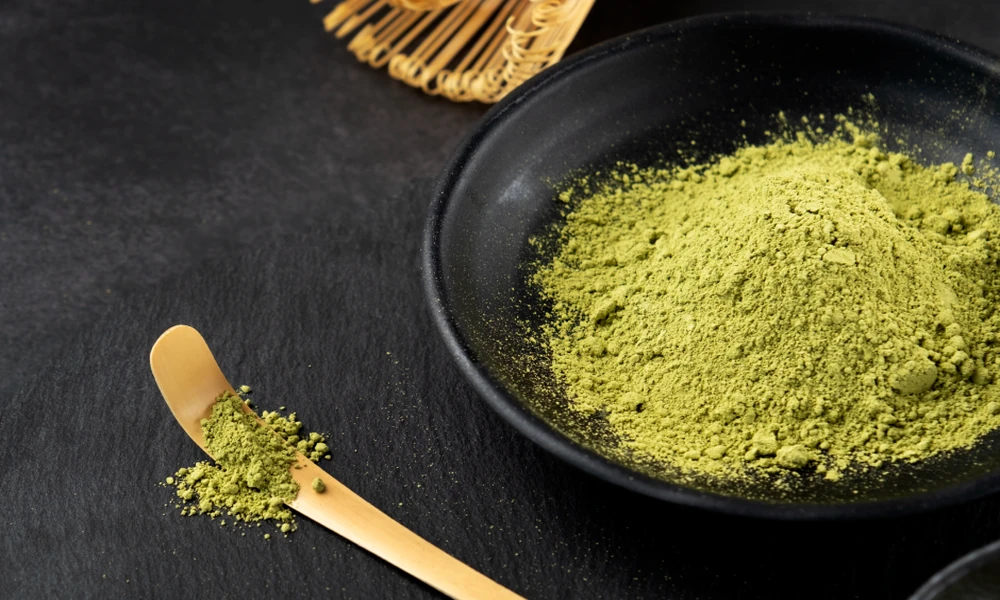
Product reports provide useful details about the contents and purity of botanical products. Buyers should examine these records carefully instead of relying on labels or seller claims. Kratom powder is one product for which clear testing information can help readers understand reported ingredients and possible contaminants. A reliable report should identify the tested sample and explain the methods used. However, laboratory results cannot guarantee safety or prove that a product is suitable for every person. Careful review supports informed decisions and helps identify missing information.
What Does A Quality Report Explain?
A quality report presents laboratory findings about a sample. It may describe tested substances and possible contaminants while explaining the limits of the analysis.
Which Details Identify The Tested Sample?
Sample identification connects laboratory results with a specific product. Check the sample code and testing date to understand which material the findings represent.
How Can Buyers Check Laboratory Credentials?
Independent laboratories may provide more reliable information when their methods are properly documented. Check accreditation details and verify whether the report identifies the testing facility.
Which Microbial Findings Need Attention?
- Review tests for harmful bacteria.
- Check whether mould or yeast was assessed.
- Look for the laboratory’s stated testing limits.
- Confirm whether results are marked as detected or not detected.
- Ask for clarification when findings are difficult to interpret.
How Can Buyers Avoid Misleading Claims?
- Treat broad purity claims with caution.
- Compare seller statements with laboratory findings.
- Avoid relying on certificates without sample details.
- Check whether advertised claims fall outside the test scope.
- Remember that testing does not establish personal safety.
What Do Reported Ingredients Mean?
Ingredient results show which substances were detected in the tested sample. Read the reported amounts carefully because concentration figures require suitable units and context.
Which Contaminants Should Reports Address?
Testing may examine heavy metals and harmful microorganisms. Review the listed contaminants to understand the scope of the laboratory assessment.
How Should Testing Dates Be Evaluated?
Testing dates help establish when a sample was assessed. Older reports may not represent a current batch, so confirm that the document matches the product being considered.
Why Does Sample Matching Matter?
- Confirm that the sample code matches the product record.
- Check whether the report names the relevant batch.
- Compare the production details with available documentation.
- Ask whether the sample came from the finished product.
- Request an updated report when identification is unclear.
What Signs Suggest Incomplete Documentation?
- Watch for missing laboratory contact details.
- Check whether the report includes a testing date.
- Look for unexplained changes in sample identification.
- Verify that results have clear units.
- Request the complete report instead of a partial image.
A laboratory document is useful only when its findings are clear and linked to the correct sample. Before considering Kratom powder, review the testing date and contaminant results. Confirm laboratory credentials and question missing details. No single report can establish complete safety or predict individual effects. Where evidence remains unclear, avoid relying on promotional claims and seek advice from a qualified health professional. Careful document review offers a more responsible basis for evaluating product information.