

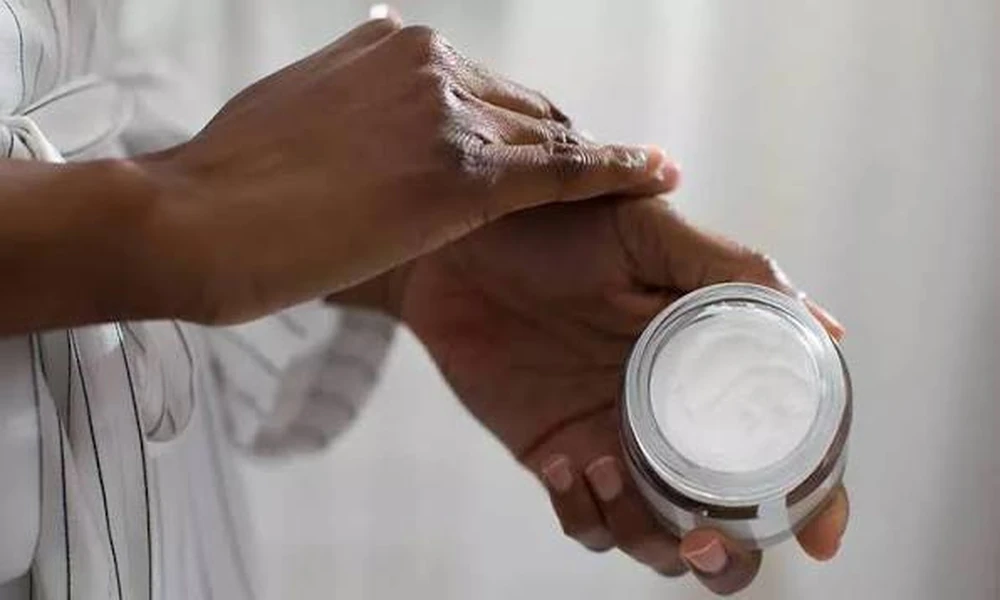
Delicate skin rarely fails from one dramatic mistake. Small habits, like hot showers, wear its defenses down. Scented soap does similar damage over weeks. Once the barrier cracks, water escapes and irritants enter. A well-chosen eczema cream rebuilds that shield with lasting hydration. Its success depends on two things: formula and timing. Ingredient lists reveal which products repair and which merely coat. Applying minutes after a bath decides how much moisture stays. Ahead lies a closer look at both, plus fragrance traps. Realistic limits of nonprescription care get attention too.
Thin Skin Loses Water Faster Than Expected
An infant’s barrier measures roughly 30 percent thinner than an adult’s. That gap lets moisture evaporate at a quicker pace. Dry patches form, itch follows, and scratching opens tiny breaks. Bacteria and pollen then find easy entry points. Older adults face similar trouble as lipid production slows. In both groups, the epidermis needs outside support overnight.
Which Ingredients Calm Itching Without Stinging?
Ingredient lists tell a truer story than slogans. Effective formulas blend repairing and sealing agents:
- Ceramides refill the lipid gaps between surface cells.
- Colloidal oatmeal soothes redness and eases the itch.
- Glycerin pulls water into the upper layers.
- Shea butter seals moisture beneath a soft film.
- Niacinamide builds resilience against common irritants.
Fragrance-Free Formulas Lower Hidden Flare Risks
Scent ranks among the most frequent contact allergens. Plant oils such as lavender can provoke rashes as well. A dependable eczema cream skips perfumes, dyes, and parabens. Parents comparing tubes should read the inactive ingredient list. Acceptance seals from patient advocacy groups add reassurance.
When Should Cream Go On After Bathing?
Moisture left on damp skin acts as a reservoir. Applying within three minutes traps that water under a film. Waiting longer lets evaporation pull hydration back out. A simple routine looks like this:
- Keep bathwater lukewarm, not hot.
- Limit soaks to ten minutes.
- Pat dry with soft cotton.
- Apply cream in downward strokes.
Can Gentle Creams Replace Prescription Steroids?
For mild dryness, a barrier cream handles daily maintenance alone. Active flares are a different matter. Steroids calm inflammation fast, whereas moisturizers prevent recurrence. One oatmeal formula matched 1% hydrocortisone in a small trial. Oozing, cracked, or infected patches still need a doctor. Moisturizer works alongside any medication, not instead of it.
Indoor Climate Shapes How Creams Perform
Air conditioning and winter heaters strip humidity from indoor rooms. Dry air pulls water from the surface around the clock. A humidifier kept at 40 to 50 percent helps. Thicker textures earn their place during cold months. Sticky summers favor lighter creams that absorb faster. Breathable cotton clothing reduces friction against healing patches.
A Thirty Percent Gap Changes Daily Priorities
That 30 percent difference in barrier thickness reframes everyday care. Gentle cream stops being a cosmetic extra for infants. It works more like a borrowed layer of protection. Missing the three-minute window carries real cost on fragile ground. Water leaves, itch arrives, and the whole household loses sleep. Consistency outweighs any single premium ingredient on the label.
FAQs
Can barrier creams be used on newborns?
Several pediatric formulas suit babies from one month of age. Younger infants need a pediatrician’s approval before starting one.
How often should moisturizer be reapplied each day?
Twice a day suits most mild cases, with one coat after bathing. During flares, reapplying whenever the area feels tight keeps discomfort lower.
Does a thicker texture offer stronger protection?
Ointments seal moisture best, while lotions carry more water. Creams balance both traits, spreading with ease yet guarding the surface.
Should a cream that stings be stopped?
Brief tingling on cracked patches can fade after a few days. Lasting burning, swelling, or fresh redness signals a reaction worth discontinuing.