
Seasonal hair fall is one of the more frustrating hair concerns because its cyclical nature means that even when it improves, the worry about its return persists. Most people experience some increase in hair shedding during autumn, a phenomenon that dermatologists confirm is related to shifts in the hair growth cycle triggered by changes in daylight and temperature. Ayurveda has addressed this pattern for centuries through specific scalp and hair care practices, with natural hair oil for seasonal hair fall at the centre of the recommended regimen.
Why Seasonal Hair Fall Happens
Hair growth follows a cycle of active growth (anagen), transition (catagen), and rest (telogen), after which the hair sheds naturally as new growth begins beneath it. Seasonal triggers, including shifts in daylight hours and temperature, can synchronise a larger proportion of follicles in the telogen (shedding) phase simultaneously, producing the noticeable increase in daily hair fall that many people observe in autumn and early spring. This process, called seasonal telogen effluvium, is generally self-limiting, but the volume of shedding can be distressing and the recovery time can be extended when scalp health, nutrition, and stress levels are suboptimal.
How Ayurvedic Hair Oil Addresses the Root Cause
Ayurvedic hair oil for hair fall control works through several mechanisms that complement each other. Regular scalp massage with a warm oil improves local blood circulation to the follicles, delivering the oxygen and nutrients that follicle cells need for healthy cycling. The botanicals formulated into a quality natural hair oil for seasonal hair fall address the specific imbalances that Ayurveda associates with hair thinning: excess vata, which manifests as dry, depleted scalp and brittle hair, or excess pitta, which manifests as an inflamed scalp environment hostile to optimal follicle function.
Key Botanicals in Ayurvedic Hair Fall Oils
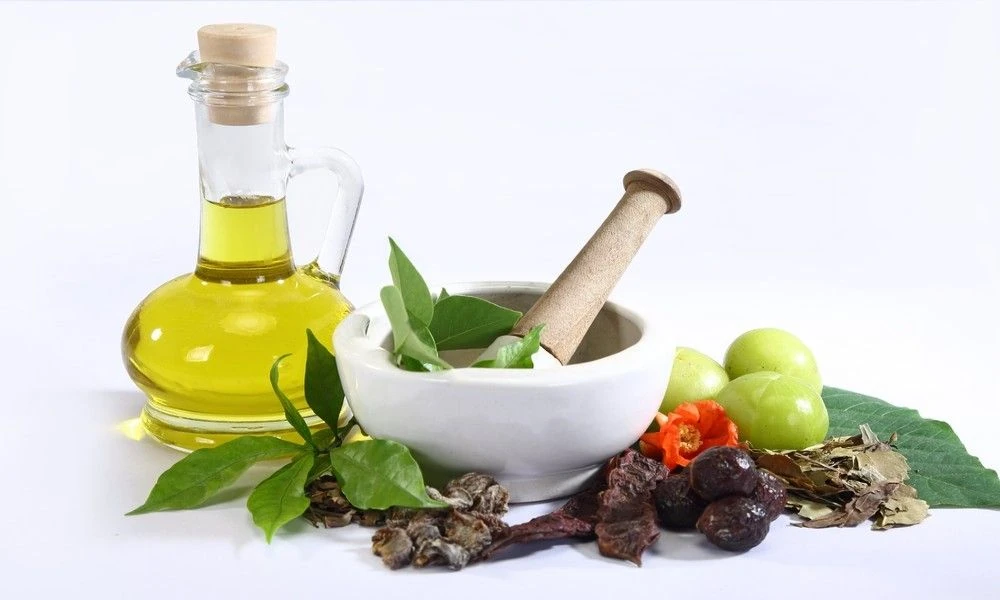
The most effective best hair oil for scalp strengthening formulations draw on a consistent set of well-researched Ayurvedic botanicals. Bhringraj, often called the king of herbs for hair in Ayurvedic medicine, has significant clinical and traditional support for its ability to stimulate hair follicle activity and extend the growth phase of the hair cycle. Amla, rich in vitamin C and antioxidants, strengthens the hair shaft and nourishes the scalp while providing antioxidant protection against the oxidative stress that can impair follicle function. Brahmi calms the scalp’s nervous system response to stress, relevant because cortisol elevation is one of the primary drivers of stress-related hair fall that often accompanies or intensifies seasonal patterns. Neem provides antimicrobial and anti-inflammatory support that keeps the scalp environment clean and receptive to the nourishing action of the other botanicals.
How to Use Hair Oil for Best Results Against Seasonal Fall
Ayurvedic hair oil for hair fall control produces its best results when applied correctly and consistently. Warming the oil slightly before application opens the hair cuticle and improves penetration of the active botanical compounds into the scalp. Sectioning the hair and applying the oil directly to the scalp with gentle circular massage for five to ten minutes stimulates circulation and ensures distribution across the entire scalp surface rather than concentrating on accessible areas alone. Leaving the oil on for a minimum of one hour, or overnight for maximum nourishment, before washing with a gentle, sulfate-free cleanser allows adequate time for the botanical actives to work at the follicle level.
The Role of Consistency in Managing Seasonal Patterns
Seasonal hair fall management through best hair oil for scalp strengthening requires consistent practice across the seasons where fall tends to be elevated, rather than reactive application only when shedding becomes noticeable. While best ayurvedic body oil products are commonly used to nourish and support overall skin health, beginning a regular scalp oiling routine in late summer, before the peak autumn shedding window, builds scalp health and follicle resilience proactively. Maintaining the practice through winter into spring provides the sustained nourishment that helps minimise each year’s shedding cycle.